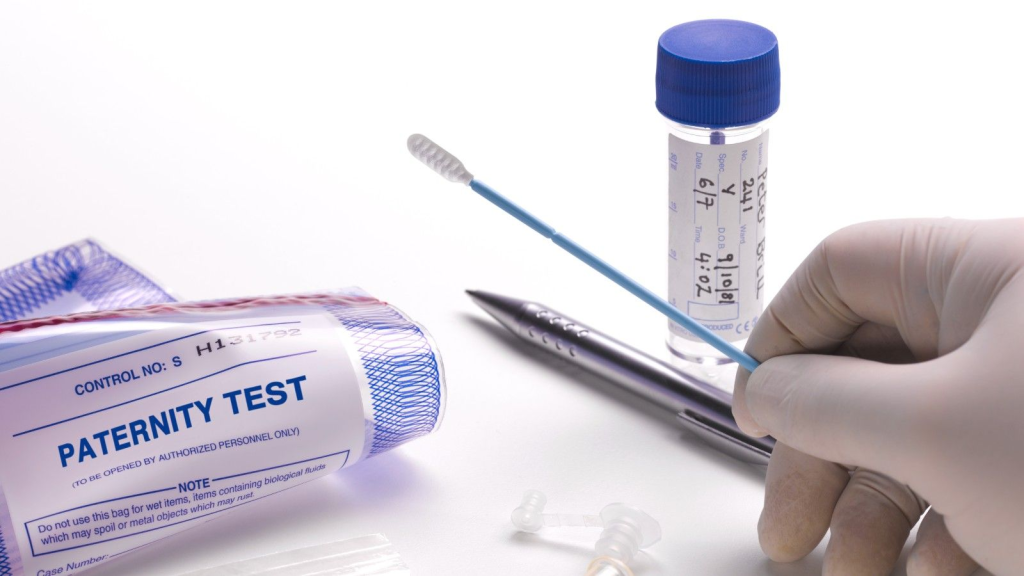
If you are searching for a DNA test, the first question that likely comes to mind is: How much will this cost?
The answer is not as simple as a single number. DNA testing prices can range from under 100forabasicat‑homekittoover5,000 for comprehensive medical genetic testing. The final price depends on the type of test you need, whether the results must be admissible in court, how many people are involved, and where you live.
This guide provides a clear breakdown of DNA testing costs across different categories. You will learn:
What factors influence the price of a DNA test
Typical costs for legal paternity, immigration, at‑home, ancestry, and health tests
Hidden fees to watch for when comparing prices
How to get the best value for your situation
By the end, you will know exactly how much to budget for your specific DNA testing needs.
Key Factors That Influence DNA Test Costs
Understanding what drives pricing helps you make an informed decision and avoid surprises.
Test Type and Complexity
Different DNA tests require different laboratory procedures. More complex relationship tests analyze more genetic markers and require more sophisticated analysis.
Prenatal paternity tests, which analyze fetal DNA from a maternal blood sample, are significantly more expensive due to advanced technology requirements. A non‑invasive prenatal paternity test can cost 1,150to1,150to1,499.
Legal vs. At‑Home Testing
This is the single biggest price factor. Legal (court‑admissible) DNA tests cost significantly more because they require:
Neutral third‑party sample collection – A trained collector witnesses each sample being taken
Photo ID verification – All participants must present valid identification
Chain‑of‑custody documentation – Every transfer of samples is logged and signed
AABB accreditation – Only laboratories accredited by AABB can produce legally admissible results
At‑home kits skip all these steps, which is why they are much cheaper — but their results cannot be used in court, for child support, or for immigration cases.
Number of Participants
Most DNA tests require samples from at least two people. Some require three or more. Each additional person adds to the total cost. A duo test (alleged father + child) is the least expensive, while a trio test (mother + alleged father + child) costs more.
Geographic Location and Local Provider
Prices vary by state and even by city. Urban areas with more testing centers tend to have more competitive pricing. Rural areas may require travel to a collection site or paying extra for mobile collection services.
Turnaround Time
Standard results typically take 3–7 business days. Expedited service (24–48 hours) adds 50–200 to the base price, depending on the laboratory.
DNA Test Costs by Type
Legal Paternity Test (Court‑Admissible)
Legal paternity tests are used for child support, custody, visitation, birth certificate amendments, and inheritance claims. These tests must be performed by an AABB‑accredited laboratory following strict chain‑of‑custody procedures.
Typical cost range: 300–300–500
Examples from actual providers:
Legal DNA testing starts at 350∗∗forafatherandchild(orfather,mother,andchild),thoughsamplecollectionfeesarenotincluded[reference:2].Forexample,SecureDNATestinginTexaspriceslegaltestingat∗∗350∗∗forafatherandchild(orfather,mother,andchild),thoughsamplecollectionfeesarenotincluded[reference:2].Forexample,SecureDNATestinginTexaspriceslegaltestingat∗∗375.
Texas providers offer a triplet test (mother, child, and one potential father) for 275∗∗,oraduotestfor∗∗275∗∗,oraduotestfor∗∗250.
Legal testing in Wisconsin starts at $350.
Important: Sample collection fees are typically not included in the quoted price and range from 25to25to100 per person.
At‑Home (Peace of Mind) Paternity Test
At‑home kits are for personal knowledge only. You collect your own samples and mail them to a lab. Results cannot be used in court or for immigration.
Typical cost range: 79–79–199
Examples:
Home paternity test kits start at $199.99
Informational testing in Texas starts at $199.99
Immigration DNA Test (USCIS)
DNA testing for U.S. immigration purposes is more expensive due to strict chain‑of‑custody requirements, international coordination, and embassy involvement. All immigration DNA tests must be performed by an AABB‑accredited laboratory.
Typical cost range: 450–450–900
Examples:
Immigration DNA testing starts at $525 and up
Domestic genetic testing for immigration starts at $495
Immigration testing often starts around 550to550to625 per case
Additional costs may include:
Sample collection fees: 25–25–100 per person
International sample collection coordinated through U.S. embassies
Courier fees for shipping kits and results between the laboratory and the embassy
Ancestry DNA Test
Ancestry tests trace your ethnic origins and connect you with DNA relatives. These tests are for personal discovery and are not admissible in court.
Typical cost range: 59–59–199
Examples (as of October 2025):
Basic Ancestry service: $99
Ancestry + Health combined service: $199
Advanced Ancestry and Health: $199
Ultimate Health and Advanced Ancestry: $499
FamilyTreeDNA offers autosomal DNA testing for $79 (promotional pricing)
Health DNA Test (Direct‑to‑Consumer)
Direct‑to‑consumer health tests analyze specific genetic markers to assess risk for certain inherited conditions. These tests provide health risk information only — they cannot diagnose medical conditions.
Typical cost range: 100–100–500
Examples:
Alzheimer’s risk test (Smart Genetics): $399
23andMe health scan (analyzes nearly 600,000 data points): $999
Clinical Genetic Testing (Medical Grade)
Clinical genetic testing is ordered by a doctor or genetic counselor. It is used for diagnostic or predictive purposes, such as cancer risk assessment or carrier screening. These tests are often covered by insurance when medically necessary.
Typical cost range: 500–500–2,000+
Examples:
Whole exome sequencing (WES): 1,000–1,000–3,000 including interpretation
Whole genome sequencing (WGS): 1,500–1,500–5,000+ (prices continue to drop)
Prenatal (Non‑Invasive) Paternity Test
This test determines paternity before birth using a maternal blood sample and a cheek swab from the alleged father. It is completely safe for both mother and baby.
Typical cost range: 1,000–1,000–1,500
Examples:
Non‑invasive prenatal paternity test: $1,150
Another provider offers this service at $1,499
Hidden Costs to Watch For
Many DNA testing providers quote a base price that does not include all fees. Always ask for a complete written quote before scheduling your test.
Additional Fee
Typical Range
When It Applies
Sample collection fee
25–100 per person
Most legal and immigration tests; often not included in base price
Mobile collection (travel fee)
$69+ for up to 20 miles round trip
If collector comes to your home or office
Shipping and handling
10–50
At‑home kits; some providers include this, some do not
Expedited processing
50–200
When you need results faster than standard (3–7 business days)
International coordination
100–300+
Immigration cases with overseas participants
Additional certified copies
10–50 per copy
For legal cases requiring multiple copies of results
Detailed report fee
Varies
Some at‑home ancestry kits charge extra for in‑depth analysis
Cost vs. Value – Which Test Should You Choose?
The cheapest test is not always the best choice. Consider what you actually need the results for.
When to Choose a Legal Test (300-300-500)
You need to prove paternity for child support, custody, or visitation
You are establishing paternity to amend a birth certificate
You need DNA evidence for an inheritance or legal claim
You are applying for a U.S. visa or green card and need to prove a biological relationship
Why it is worth the higher cost: Legal tests are the only ones accepted by courts and USCIS. A cheaper at‑home test would be useless in these situations.
When an At‑Home Test (79-79–199) Is Sufficient
You are curious about paternity for personal reasons only
You want peace of mind without involving the legal system
You are exploring family history or ethnicity
When Clinical Genetic Testing (500-500–2,000+) Is Necessary
You have a strong family history of a specific genetic condition (cancer, heart disease, etc.)
Your doctor has recommended genetic testing based on your symptoms or family history
You are planning a pregnancy and want comprehensive carrier screening
Insurance often covers clinical genetic testing when ordered by a physician, which can significantly reduce your out‑of‑pocket cost.
DNA Test Cost Quick Reference
Test Type
Cost Range
Court‑Admissible?
Insurance Coverage?
Legal paternity
300–500
Yes
No
At‑home paternity
79–199
No
No
Immigration (USCIS)
450–900
Yes
No
Ancestry
59–199
No
No
Health (DTC)
100–500
No
No
Clinical genetic
500–2,000+
No
Often yes
Prenatal paternity
1,000–1,500
Yes
No
Why are legal DNA tests so much more expensive than at‑home kits?
Legal tests require chain‑of‑custody documentation, neutral third‑party sample collection, identity verification, and AABB accreditation. These steps ensure the results are accepted in court and by USCIS.
Are sample collection fees always extra?
Not always, but often. Many providers quote a base price for laboratory analysis and exclude collection fees. Always ask: Does this price include sample collection, or is that an additional charge? Collection fees typically range from 25to25to100 per person.
How can I get the lowest possible price?
For legal cases, check if your state offers subsidized testing through the child support program (some states charge as little as 22–22–30 per person) Compare multiple AABB‑accredited providers in your area Ask if any discounts are available for paying in full upfront
What is the most accurate type of DNA test?
When performed by an accredited laboratory, legal paternity tests are over 99.9% accurate in confirming or excluding paternity. Clinical genetic tests are also highly accurate for the specific variants they analyze.
Ready to Find a DNA Testing Center?
Not all DNA testing centers are created equal. For legal or immigration purposes, always choose an AABB‑accredited laboratory to ensure your results will be accepted by courts and government agencies.