DNA testing is widely trusted for its accuracy, often exceeding 99.99% in paternity and relationship cases. However, many people still ask an important question:
Can DNA tests be wrong?
The short answer is: DNA testing is highly accurate, but mistakes can happen—not because of the science itself, but due to human error, improper procedures, or choosing the wrong type of test.
In this article, we’ll explain:
- Whether DNA tests can be wrong
- The most common DNA testing mistakes
- How to avoid false or invalid results
- How to choose a reliable DNA testing center
How Accurate Are DNA Tests?
Modern DNA tests analyze multiple genetic markers (STRs) that are extremely reliable.
Typical accuracy rates:
- Paternity DNA tests: 99.99%+ (when biological relationship exists)
- Exclusion results: 100% (if not biologically related)
- Legal and immigration DNA tests: Same scientific accuracy, with added legal safeguards
👉 When done correctly, DNA testing itself is not the problem.
Can DNA Tests Really Be Wrong?
Yes — but very rarely, and usually due to external factors, not laboratory science.
DNA test errors typically happen because of:
- Incorrect sample collection
- Sample contamination
- Mislabeling
- Choosing a non-legal test for legal purposes
- Using unreliable or unaccredited labs
Common DNA Testing Mistakes (Explained Clearly)
1. Using an At-Home DNA Test for Legal Purposes
One of the biggest mistakes people make is assuming that an at-home DNA kit can be used for:
- Court cases
- Child support
- Immigration
- Legal documentation
❌ At-home tests lack chain of custody
❌ Courts and USCIS will reject them
The result may be scientifically accurate, but legally invalid.
2. Improper Sample Collection
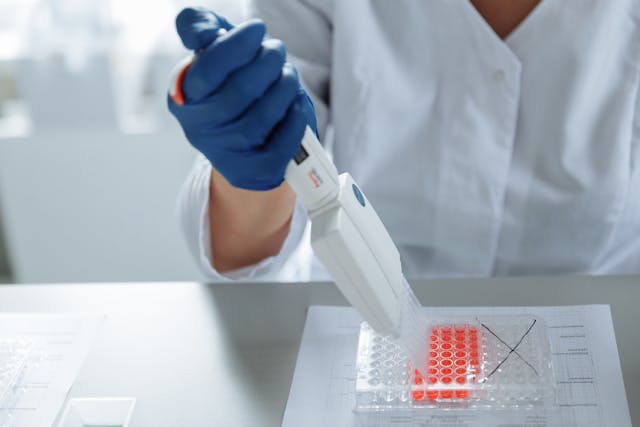
DNA samples are usually collected using cheek swabs. Errors occur when:
- The swab touches other surfaces
- The person eats, drinks, or smokes before collection
- The swab is not collected long enough
- Instructions are not followed carefully
This can lead to:
- Contaminated samples
- Inconclusive results
- Need for retesting
3. Sample Contamination
Contamination happens when DNA from another person mixes with the sample.
Common causes:
- Touching swabs with bare hands
- Collecting samples near others
- Poor handling or storage
- Using shared surfaces
Certified DNA testing centers follow strict protocols to prevent contamination.
4. Mislabeling or Administrative Errors
Human errors may include:
- Swapping sample labels
- Incorrect participant information
- Data entry mistakes
Accredited labs reduce this risk through:
- Barcode tracking
- Double verification
- Secure documentation systems
5. Choosing a Non-Accredited DNA Lab
Not all DNA labs follow the same standards.
Risks of non-accredited labs:
- Lower quality control
- Outdated testing methods
- Poor documentation
- Higher chance of errors
For legal or immigration cases, AABB accreditation is essential.
6. Testing the Wrong Person
This happens more often than people think.
Examples:
- Testing the alleged father instead of the biological father
- Missing a key participant (e.g., mother or sibling)
- Incorrect assumptions about relationships
Testing the correct participants is critical for accurate interpretation.
7. Rare Biological Factors
Although uncommon, certain biological conditions can affect results:
- Bone marrow transplants
- Recent blood transfusions
- Genetic mutations
- Identical twins (require advanced testing)
These cases require specialized testing and disclosure to the lab.
Are Legal DNA Tests More Accurate Than Non-Legal Tests?
Scientifically, accuracy is the same.
The difference lies in:
- Identity verification
- Chain of custody
- Sample handling
- Documentation
Legal DNA tests reduce the risk of mistakes and ensure results are court-admissible.
Can Immigration DNA Tests Be Wrong?
Immigration DNA testing is among the most strictly regulated types of testing.
Why errors are rare:
- AABB-accredited labs only
- Embassy-supervised sample collection
- Direct result submission to USCIS
- International chain of custody
Errors are extremely uncommon when procedures are followed correctly.
What Happens If DNA Test Results Are Inconclusive?
In rare cases, results may be:
- Inconclusive
- Insufficient
- Require additional markers
When this happens:
- The lab may request a re-test
- Additional participants may be added
- Advanced testing may be used
This does not mean the test was “wrong,” only that more data is needed.
How to Avoid DNA Testing Mistakes
✅ Choose the Right Type of Test
- Legal test for court or immigration
- Non-legal test for personal knowledge
✅ Use a Certified DNA Testing Center
- Look for AABB accreditation
- Verify lab credentials
✅ Follow All Collection Instructions
- No eating or drinking before collection
- Avoid contamination
- Handle samples carefully
✅ Be Honest About Medical History
- Disclose transplants or transfusions
- Inform the lab of special conditions
How dnacentersusa.com Helps Reduce DNA Testing Errors
Directory platforms like dnacentersusa.com help users:
- Find certified DNA testing centers
- Choose the correct test type
- Avoid unaccredited labs
- Locate authorized collection sites near them
This significantly lowers the risk of mistakes and repeat testing.
DNA tests are highly accurate and reliable, but mistakes can occur due to human error, improper procedures, or choosing the wrong testing method. Most issues are preventable by selecting a certified DNA testing center and following correct protocols.
Understanding these common mistakes helps you avoid delays, additional costs, and unnecessary stress.